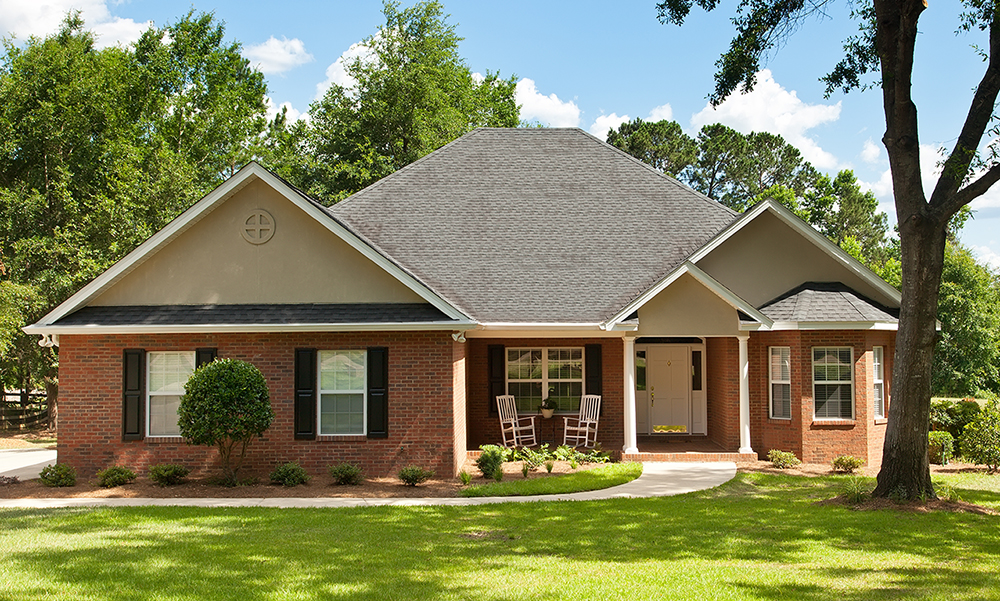
A USDA loan is a type of government-backed mortgage designed to make homeownership more affordable for those living in rural areas. Backed by the U.S. Department of Agriculture, these loans are similar to VA loans, which are backed by the Department of Veterans Affairs. The government backing allows lenders to offer USDA loans with lower interest rates compared to conventional loans.
Key Features of USDA Loans:
USDA loans are an excellent option for those looking to buy a home in eligible rural communities, as they offer a way to secure financing without the need for a large down payment.
To qualify for a USDA loan, you must meet several requirements related to your residency, income, property location, and financial history. Here are the key qualifications:
Residency: You must be a U.S. resident, non-citizen national, or qualified alien.
Eligible Property Location: The home you wish to finance must be located in an eligible rural or suburban area, as defined by the USDA.
Economic Need: USDA loans are designed for families who demonstrate economic need. Your adjusted gross income must be no more than 115% of the median income in your area.
Dependable Income: You need to show a steady income (usually for at least 24 months) and prove that you can make your mortgage payments. Lenders will assess your assets, savings, and current income to ensure you can manage the mortgage payments.
Debt-to-Income Ratio (DTI): Your DTI ratio should ideally be 50% or lower. To calculate your DTI, divide your total monthly debts (rent, student loans, auto loans, credit card payments, etc.) by your gross monthly income. You do not need to include food and utility expenses in this calculation.
Credit Score: While not an absolute requirement, you will generally need a credit score of 640 or higher to qualify for a USDA loan.
By meeting these criteria, you can improve your chances of qualifying for a USDA loan to help finance your home in an eligible rural or suburban area.
Loan Guarantees:
Direct Loans:
Home Improvement Loans and Grants:
USDA Mortgage Insurance:
Interest Rates:
Because of these low rates and affordable terms, USDA loans can be a highly cost-effective way to finance a home, especially for those in rural areas and for those who qualify for income-based subsidies.
No Down Payment (100% Financing)
USDA loans allow for 100% financing, meaning no down payment is required. This makes it a great option for buyers who cannot afford the typical 3.5% down payment required for FHA loans.
No Cash Reserves Required
There are no mandatory cash reserves required, which reduces the upfront costs associated with obtaining the loan.
Flexible Credit and Qualifying Guidelines
USDA loans offer more flexibility in credit scores and qualifying criteria, making it easier for individuals with less-than-perfect credit to qualify.
Seller-Paid Closing Costs
The seller can pay all or part of the closing costs, which further reduces the financial burden on the buyer.
Lower Interest Rates
USDA loans typically offer lower interest rates compared to comparable 30-year fixed-rate mortgages. The government’s backing allows lenders to offer more competitive rates, even for buyers with lower credit scores.
No Prepayment Penalty
There are no prepayment penalties, meaning you can pay off the loan early without incurring additional fees.
Ability to Finance Repairs and Closing Costs
You can finance repairs and closing costs into the loan, reducing the need for additional cash on hand.
New Home Construction Financing
USDA loans can also be used to build a new home, which is ideal for buyers who are looking to construct a home in eligible rural areas.
These benefits make USDA loans an appealing option for eligible borrowers, particularly those looking for an affordable way to purchase a home with minimal upfront costs.
Geographic Restrictions
USDA loans are only available for homes located in USDA-defined rural areas. While the USDA defines “rural” broadly, there are still limitations on which areas qualify. Additionally, properties with extra units used for commercial purposes, as well as vacation or investment homes, are generally ineligible.
Mortgage Insurance
USDA loans require mortgage insurance, which is a cost added to the loan. This fee can be financed into the loan, but it will still increase the overall cost of the mortgage over time.
No, both first-time homebuyers and repeat homebuyers may use the USDA loan.
There are no maximum loan amount restrictions on USDA loans. The maximum loan amount is based on the borrower’s debts, income, and ability to repay.
The USDA does not have a minimum credit score requirement. However, to use the USDA’s guaranteed underwriting system (GUS), a borrower must have a credit score of 640 or higher.
USDA home loans can be used to purchase any property that meets USDA property eligibility requirements. This includes foreclosed homes, short sales, and homes sold by real estate agencies or banks after a bankruptcy.
The USDA program can help those with low credit scores or poor credit histories, but who can show consistent effort in improving their financial situation. If you don’t qualify for a USDA loan, an FHA loan might be another option to consider.